
The fastest fix for a patio rug that keeps sliding on concrete is a combination of a clean, dry surface and the right grip layer underneath. For most setups, an open-weave rubber or PVC rug pad gives you the best everyday hold without trapping moisture. If you need stronger hold or you're dealing with edges lifting and corners curling, double-sided outdoor carpet tape like 3M CT 3010 applied around the perimeter of the rug will lock things down. Renters who can't risk residue have solid options too, including non-permanent rug grip tape and removable underlays. The key is prepping the concrete properly first, because nothing sticks or grips well on a dusty, damp, or film-coated slab.
How to Keep Patio Rug in Place on Concrete: Step-by-Step

Silas Morrison
30 Jun 2026
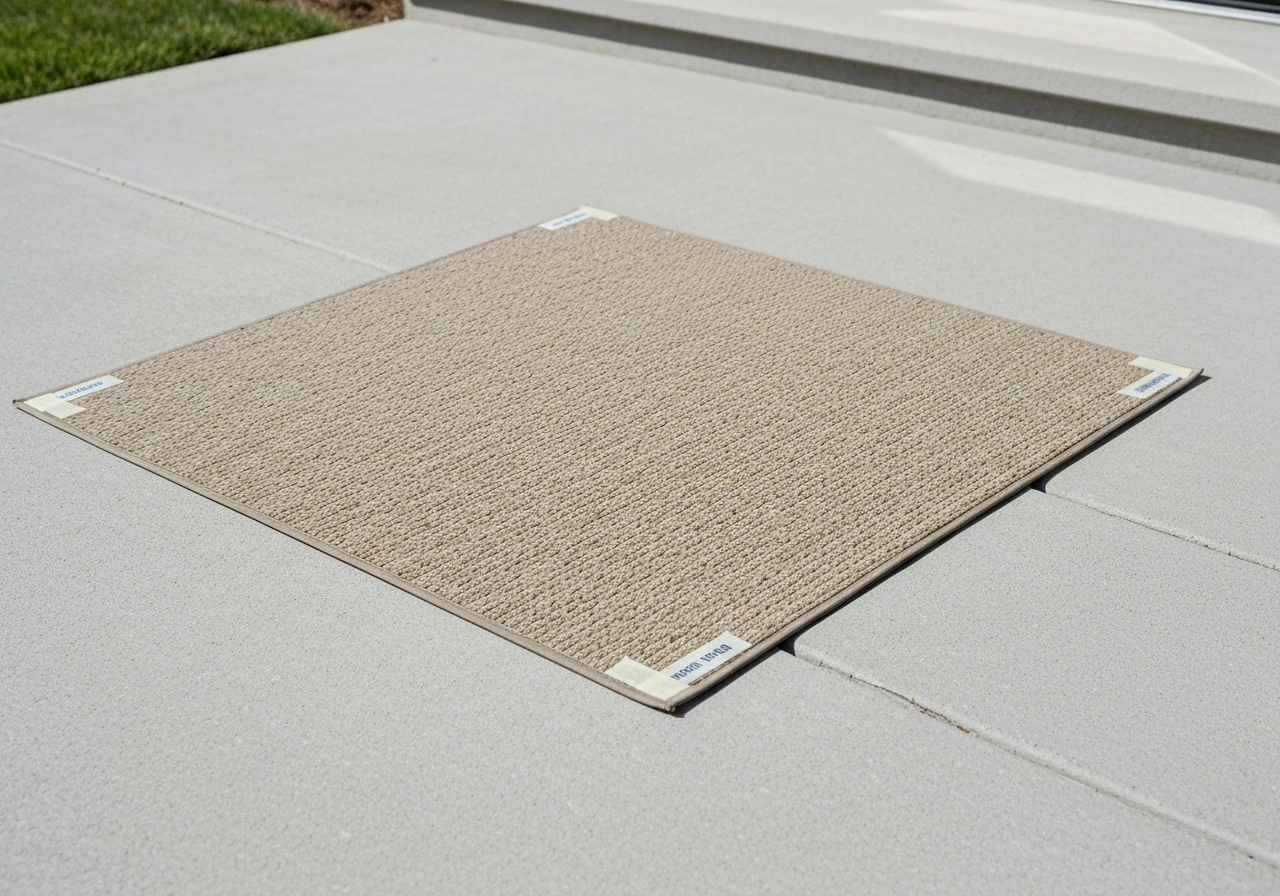
Why patio rugs slide on concrete in the first place
Concrete looks grippy, but smooth or sealed slabs actually offer very little friction for a rug backing to grab onto. Here are the most common culprits I've run into:
- Smooth or sealed concrete: Sealed concrete in particular acts almost like a hard tile surface. Rug backings just float on top rather than bite in.
- Surface film and dust: Weathered concrete builds up a thin film of grime, pollen, and micro-debris over time. Even when the surface looks dry and clean, that film acts like a lubricant between the rug and the slab.
- Moisture: Damp concrete reduces friction dramatically. Even without a full rain event, concrete releases moisture vapor from its pores, and that thin layer of vapor under the rug is enough to let it shift.
- Wrong rug backing: Indoor rugs with solid rubber backing were never designed for outdoor concrete. Solid rubber backing traps moisture, breaks down under UV exposure, and loses its grip fast outdoors.
- Temperature and humidity swings: As the slab heats and cools, it expands and contracts slightly. Over time this slowly walks a rug toward the edge of the patio.
- Uneven spots: Low spots, small ridges, or old patched areas in the concrete create points where the rug doesn't make full contact, making the whole thing more prone to catching and curling.
Sliding is more than a nuisance. A shifting rug on a hard surface is a real tripping hazard, especially on steps or transitions near a door. Fixing it properly is worth the hour it takes. If you want the best results, focus on how to anchor into concrete patio surfaces so the edges and corners stay locked down Fixing it properly is worth the hour it takes..
Prep the concrete before you try anything else
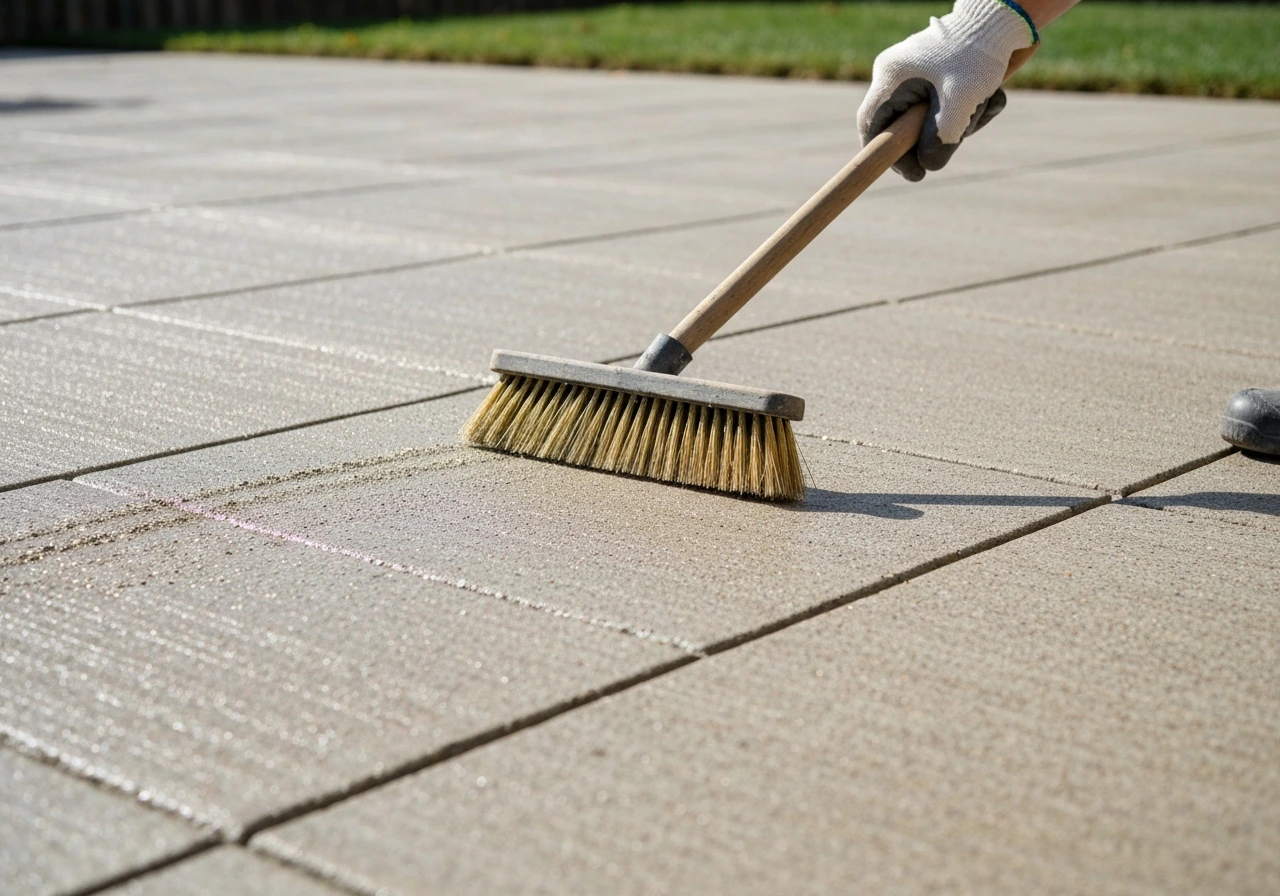
I can't stress this enough: skip the prep and every anchor method you try will underperform. Tape won't stick. Pads will slide on the film underneath them. Here's how to get the slab ready in about 30 minutes. If you want to attach wood to a concrete patio, start by cleaning and drying the concrete so the attachment material bonds reliably how to attach wood to concrete patio.
Clean the surface thoroughly
Sweep away loose debris first, then scrub the area where the rug will sit. For mild grime, a stiff brush with a diluted degreaser or concrete cleaner works fine. If you see white chalky deposits (efflorescence) on the surface, use an efflorescence remover like Rust-Oleum RockSolid, follow the label, and rinse thoroughly with a garden hose or power washer. Residue from the cleaner itself can reduce adhesion just as much as the original dirt, so rinse well and let the concrete dry completely before proceeding.
Check for moisture
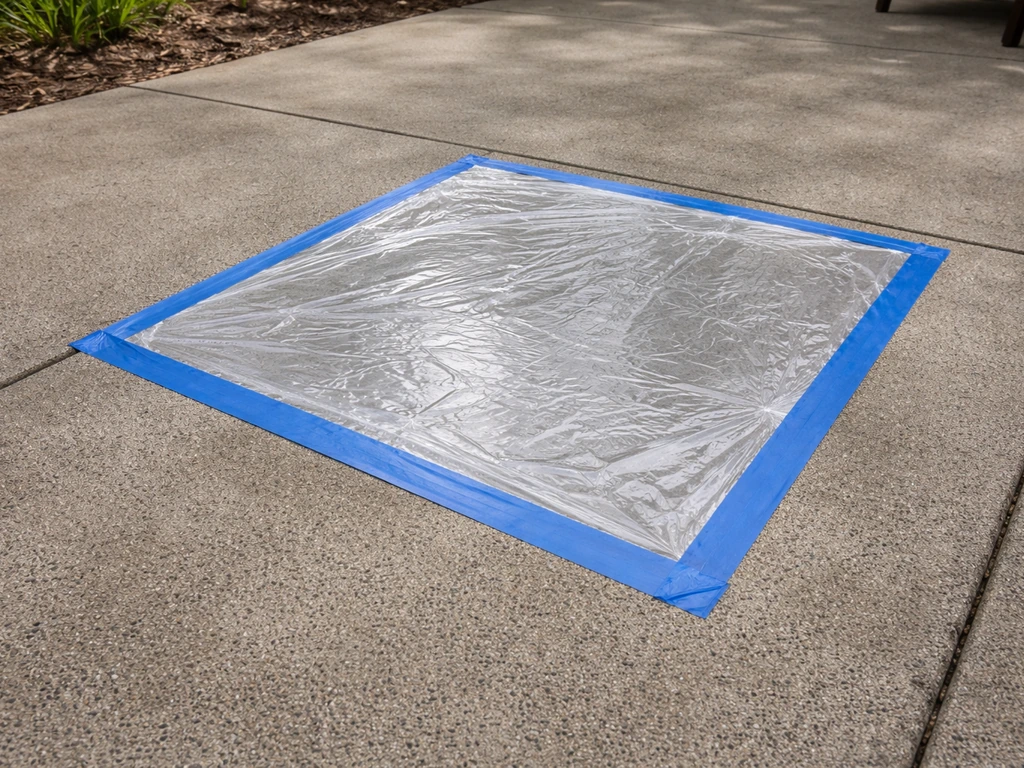
blank" rel="noopener noreferrer">Concrete is porous and can release moisture vapor from below even when the surface feels dry to the touch. blank" rel="noopener noreferrer">A quick plastic-sheet test (based on ASTM D4263) takes less than a day and tells you a lot. Tape an 18x18-inch piece of clear plastic sheeting flat against the clean slab using duct tape on all four edges. Wait at least 24 hours, then check underneath. If you see condensation or water droplets on the underside of the plastic, you have active moisture vapor coming through the slab. In that case, focus on breathable, open-weave rug pads rather than any tape or adhesive that seals against the surface. A damp slab will also prevent adhesive-backed tape from bonding properly.
Let it dry fully
After cleaning, give the concrete at least 24 hours to dry in normal weather conditions before laying tape or a pad. If you cleaned with a lot of water or it rained recently, wait longer. The surface should feel completely dry to the touch and show no damp discoloration. Laying a rug on even slightly damp concrete almost guarantees mold issues under the rug within a few weeks.
Best anchoring options for concrete patios
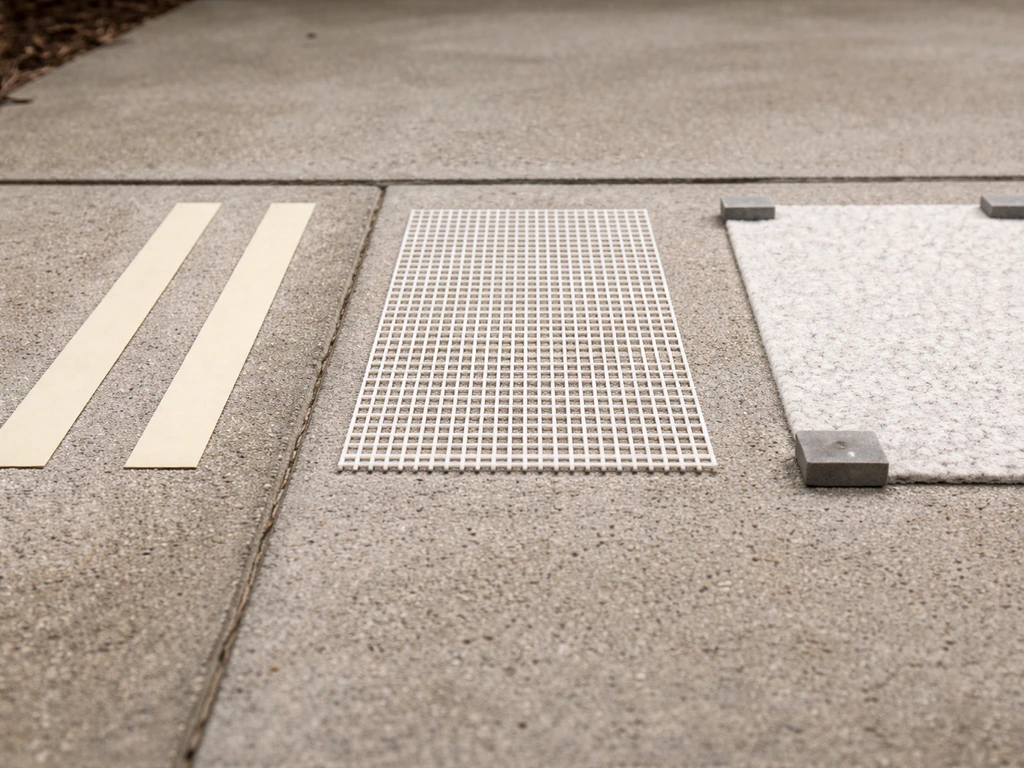
Once the surface is clean and dry, you've got a few solid approaches depending on how strong a hold you need and whether you want to leave adhesive residue behind. A common way to anchor patio furniture to concrete is to use hardware made for concrete, like wedge anchors or concrete screws, so the base stays secure in wind and movement anchoring patio furniture to concrete.
Double-sided outdoor carpet tape
This is the strongest option for keeping a rug pinned down on concrete. 3M CT 3010 Outdoor Carpet Tape is specifically rated for exterior use and weather exposure, which matters because indoor carpet tape will fail quickly in the heat and moisture of an outdoor setting. Apply strips around the full perimeter of the rug and add a few diagonal strips across the middle for larger rugs. Press the tape firmly to the clean, dry concrete, peel the top liner, then press the rug down onto it. Walk the full surface to ensure good contact. Note: outdoor carpet tape will likely leave some residue on the concrete when removed. It won't damage the slab, but it's worth knowing if you're renting. If you’re also working on a more rigid outdoor fixture, you can compare this approach with how to attach 4x4 post to concrete patio for a stronger concrete connection.
Non-permanent rug grip tape
Roberts RUG GRIPPER non-slip rug tape is designed to hold without creating a permanent bond. The application is straightforward: lay strips on the concrete surface, peel the backing, and press the rug down over it. It grips well for everyday foot traffic but won't survive a full wind event the way outdoor carpet tape will. Plan to replace it every 6 to 12 months or sooner if adhesion weakens, especially in climates with big temperature swings.
Open-weave rubber or PVC rug pads
For day-to-day use, a quality open-weave rubber or PVC rug pad under the rug is often all you need. The open weave is critical outdoors: it lets water drain through and allows the concrete to breathe, which prevents the moisture and mold buildup you'd get with a solid felt or solid rubber pad. Cut the pad about an inch smaller than the rug on all sides so it doesn't show, lay it flat on the clean concrete, and set the rug on top. The rubber grips the concrete and the rug grips the rubber. For extra security on a slippery slab, you can combine a rug pad with perimeter tape. If you are also installing a railing on the patio, you will want to attach it to the concrete properly so it stays secure over time how to attach railing to concrete patio.
Renter-friendly options that won't damage the concrete
If you're renting and need zero damage to the patio surface, you still have good options. The goal is maximizing grip without adhesives that leave residue.
- Open-weave rubber or PVC pad (no tape): Just laying the right pad under the rug is often enough for a low-traffic patio area. No adhesive, no residue, and you can pick the whole setup up and move it.
- Removable double-sided tape: Products like tesa Professional 4939 Universal Double-Sided Removable claim residue-free removal within 14 days. Use it for a season, replace it before the removal window closes, and the concrete stays clean. Check the product specs before committing, since 'removable' performance varies by brand and surface condition.
- Traction mats as underlays: Thick non-slip traction mats designed for hard floors placed under the rug give grip without any adhesive. They're thicker than rug pads and can slightly raise the rug off the surface, which also helps with drainage.
- Furniture placement as anchors: Strategically positioning heavy patio furniture (chairs, a table, a large planter) on top of the rug edges is a low-tech but genuinely effective way to hold corners down without any products at all.
- Choosing the right rug: Some outdoor rugs come with built-in non-slip backing designed specifically for hard surfaces. If you're buying new, look for this feature rather than retrofitting grip onto an incompatible rug.
Preventing moisture problems, mold, and damp-surface slipping
Moisture under a patio rug is the problem that sneaks up on you. The rug looks fine from the top, but underneath you're growing mildew, staining the concrete, and creating a slip-and-fall hazard every time it rains. Here's how to stay ahead of it.
Use a breathable pad, not a solid one
Solid felt pads and solid rubber-backed rugs block evaporation and trap water under the rug, even after the surface above looks dry. An open-weave rubber or PVC pad lets water drain through and allows the concrete to dry out between rain events. This one material choice makes a bigger difference than anything else when it comes to mold prevention.
Choose an outdoor-rated rug
Rugs marketed as outdoor or mold-and-mildew-resistant (look for polypropylene or PET construction) are built to handle repeated wetting and drying without breaking down or growing mildew. Bringing an indoor rug outside might seem harmless, but the backing will degrade fast under UV exposure and trap moisture in ways outdoor-rated materials don't.
Lift and dry the rug regularly
Even with the best pad and a breathable setup, make a habit of lifting the rug every few weeks and checking the concrete underneath. If you see moisture, dark staining, or smell anything musty, flip the rug over a railing and let both the rug and the slab dry out completely before putting it back. Avoid letting the rug sit wet for prolonged periods after heavy rain.
Wet concrete and slip risk
Weathered concrete can develop a surface film that makes it feel slippery even when it looks dry, and that effect gets worse when the surface is actually wet. If your concrete has lost its micro-texture from years of wear and weathering, even a good rug pad may not grip as well as it should. In that situation, a perimeter of outdoor carpet tape combined with a breathable pad is your best combination, and it's worth testing your concrete's grip by simply walking on the bare slab after rain to assess how slippery it's become.
How to compare your main anchoring options
| Method | Hold Strength | Residue Risk | Moisture-Friendly | Best For |
|---|---|---|---|---|
| Outdoor carpet tape (3M CT 3010) | Strong | Yes, some residue | No (seals against surface) | Owners wanting maximum hold |
| Non-permanent rug grip tape (Roberts RUG GRIPPER) | Medium | Low | Moderate | General use, replacing every 6-12 months |
| Removable double-sided tape (tesa 4939) | Medium | None within 14 days | Moderate | Renters needing clean removal |
| Open-weave rubber/PVC pad | Medium | None | Yes (allows drainage) | Most patios as a base layer |
| Traction mat underlay | Medium-Low | None | Yes | Renters, light traffic areas |
| Furniture placement on rug edges | Low-Medium | None | Yes | Corners and edges as a supplement |
When to replace or rethink the whole setup
Sometimes the rug or the pad is the actual problem, not the anchoring method. Here are the signs it's time to upgrade rather than just re-tape:
- The rug has solid rubber backing: Solid rubber backing on an outdoor rug traps moisture, breaks down under UV, and loses grip quickly on concrete. If your rug was originally designed for indoor use, it's likely the backing is the root cause of your sliding and mold problems.
- The rug is undersized for the space: A rug that's too small for the furniture arrangement gets pulled and shifted constantly by foot traffic and chair movement. Sizing up so furniture legs sit on the rug rather than just touching the edge makes a big difference.
- The pad has degraded: Rubber pads and PVC grids can harden, crack, or become slick after a few seasons outdoors. If your pad feels stiff or crumbly, it's not gripping anymore. Replace it.
- You're on a heavily worn or super-smooth slab: If the concrete has been polished down over years of use or was sealed with a very smooth coating, standard rug pads may not grip well enough. You'll either need tape in addition to a pad, or consider a light anti-slip concrete coating before laying the rug.
- Mold keeps returning: If you're regularly finding mold under the rug despite cleaning and drying, the combination of your rug material, pad type, and concrete moisture level isn't compatible. Switch to a polypropylene outdoor rug with an open-weave pad, and run the plastic-sheet moisture test on the slab to rule out active moisture vapor.
Fixing curling edges, bubbles, and a rug that still slides
Edges curling up
Curling edges are usually a combination of the rug being new (it needs to flatten out and relax), the backing shrinking unevenly from heat exposure, or tape/pad that isn't holding the perimeter. For a new rug, rolling it in reverse for 24 to 48 hours before installation helps relax the curl. For an established rug that's started curling, apply fresh perimeter tape specifically at the corners and along the edges, pressing firmly and holding pressure for 30 to 60 seconds per section. If the rug backing itself is warping from heat, shade or partial shade placement will slow the problem.
Bubbles and wrinkling
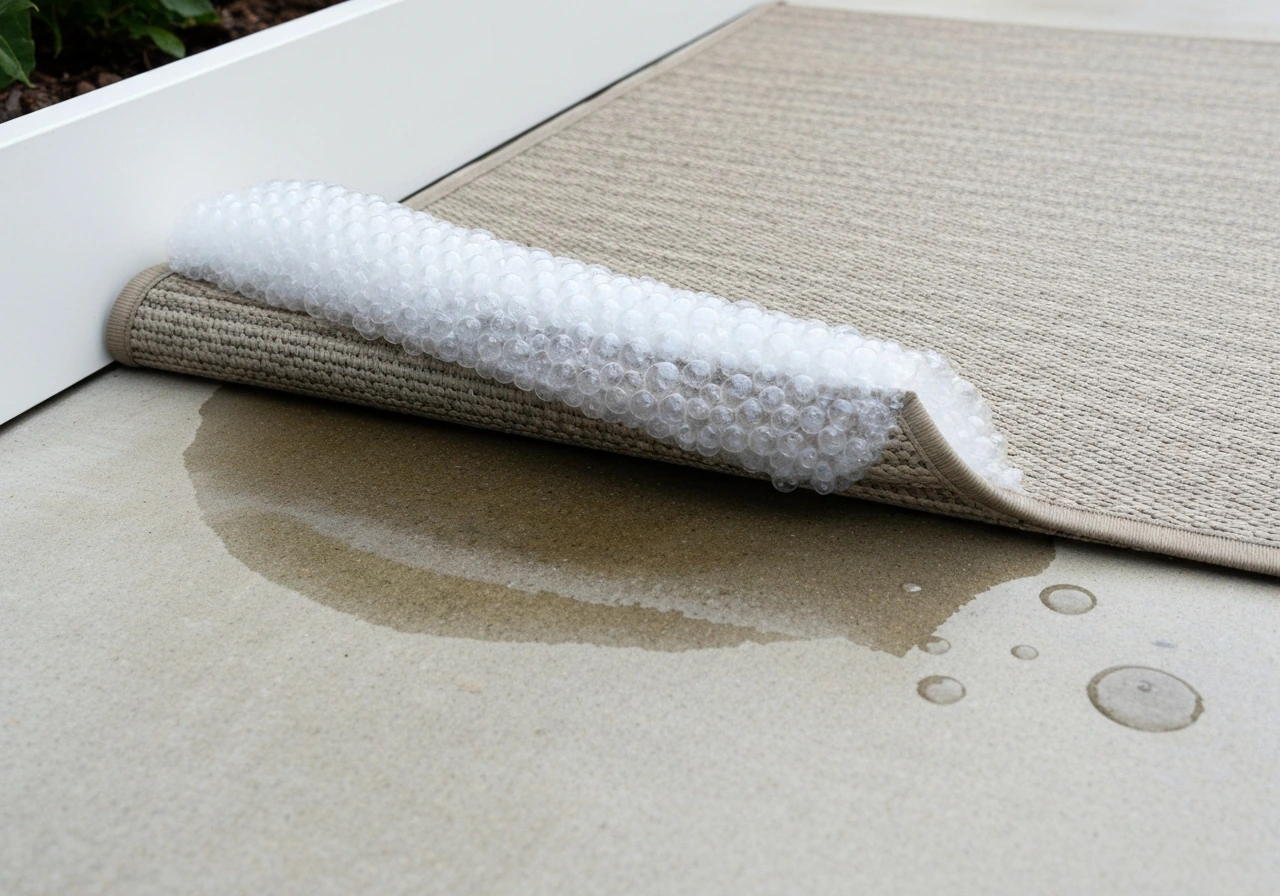
Bubbles or ridges under the rug almost always mean moisture is trapped underneath with nowhere to go, or that the pad has shifted and bunched up. Lift the rug, inspect the pad for bunching or deterioration, and let everything dry completely. When you relay the rug, smooth it from the center outward toward the edges before pressing tape or setting the pad in place. A solid rubber pad is a common cause here because it doesn't let air or moisture escape, so switching to an open-weave alternative usually solves the problem permanently.
Rug still slides after anchoring
If the rug keeps moving despite tape and a pad, work through this checklist in order. First, confirm the concrete was fully clean and dry when the tape was applied. Even a small amount of surface dust or moisture at application time will prevent adhesive from bonding correctly. Second, check whether the rug's backing material is compatible with the tape. Some synthetic backings are too slick for tape to grip well. Third, make sure you're using outdoor-rated tape, not indoor carpet tape, which fails quickly outside. Fourth, if all else is correct, the concrete surface itself may be too smooth for friction-based grip. In that case, you need tape plus a pad working together rather than either one alone. If the slab is genuinely slick from wear or sealing, anchoring a patio rug is similar in approach to anchoring other patio elements to concrete, where surface prep and the right adhesion products do the heavy lifting. The same attachment principles apply when you need to attach a pergola to a concrete patio, starting with the right surface preparation and hardware anchoring a patio rug is similar in approach.
Quick checklist for a secure, long-lasting patio rug setup
- Run the plastic-sheet moisture test on the concrete and wait at least 24 hours for results before proceeding.
- Clean the slab thoroughly: sweep, scrub, treat any efflorescence, and rinse completely.
- Let the concrete dry for a full 24 hours after cleaning before applying any tape or laying a pad.
- Choose an outdoor-rated rug with polypropylene or PET construction and avoid solid rubber-backed rugs.
- Lay an open-weave rubber or PVC pad cut about 1 inch smaller than the rug on all sides.
- Apply outdoor carpet tape or non-permanent grip tape around the full perimeter and corners if more hold is needed.
- If renting, use removable tape products and confirm the specific product's residue-free removal window.
- Lift and dry the rug every few weeks to check for moisture, discoloration, or odor underneath.
- Replace tape every 6 to 12 months or sooner if you notice any edges lifting or adhesion dropping.
- Upgrade the rug or pad any time you see persistent mold, degraded backing, or the rug won't lie flat.
FAQ
Can I use double-sided tape on concrete if it’s not perfectly dry, but it feels dry to the touch?
You can, but it will often fail early. Concrete can release moisture vapor even when the top looks dry, which weakens adhesive bonding and can trap moisture under the rug. If you do not see evidence of moisture from the plastic-sheet test after 24 hours, the slab is usually dry enough to bond tape.
What tape should I avoid for this job?
Avoid indoor carpet tape and any product not explicitly rated for outdoor use. Indoor tapes typically soften or lose grip after heat exposure and rain, and they can also fail faster when the concrete expands and contracts seasonally.
How do I remove outdoor carpet tape residue safely if I’m renting or want minimal cleanup?
Expect some residue with perimeter outdoor carpet tape. Let the adhesive fully cure on removal day if possible, then use a plastic scraper first, followed by an adhesive remover meant for outdoor concrete. Test removers in a small hidden area, and rinse afterward so cleaner residue does not affect future grip.
Will a rug pad on concrete make slipping worse if the pad is too thick or solid-backed?
Yes. Thick, solid felt or solid rubber pads can block evaporation and increase trapped moisture, which eventually makes the top surface slick. Open-weave pads drain better and usually provide more reliable friction over time.
How often should I lift and inspect the rug to prevent mold and odors?
A practical interval is every few weeks during wet or humid seasons, and promptly after heavy rain. Lift, check for dark staining or musty smell, and fully air-dry the rug and concrete before putting it back down.
My rug edges keep curling, but I already taped the perimeter. What else should I check?
Check whether the rug is still relaxing from new shape memory, and whether corners are getting exposed to intense heat or sun. For new rugs, rolling in reverse for 24 to 48 hours before installation can help, for established rugs, reapply tape with extra focus on corners and hold pressure longer on those spots.
What should I do if the rug has bubbles or ridges under it?
Lift immediately and inspect the pad for shifting, bunching, or deterioration, then let everything dry completely. When relaying, smooth from the center outward toward the edges so air pockets do not reform, and switch to an open-weave pad if you used a solid one.
How do I prevent water from pooling under the rug on a sloped or uneven concrete patio?
Choose an open-weave pad, and cut it so it sits slightly smaller than the rug to avoid edge trapping. Also ensure the rug lies flat, without tenting at one corner, since trapped runoff increases moisture beneath the backing.
If my rug still slides after tape and a pad, what is the most likely order of issues to troubleshoot?
Start with application conditions (concrete dust-free and fully dry), then verify the rug backing is compatible with the tape, then confirm the tape is outdoor-rated. If those are correct, the concrete surface may be too smooth or sealed, in which case use tape plus a breathable pad together rather than relying on one method.
Can I walk on the rug immediately after applying outdoor carpet tape?
Wait until you have pressed the tape firmly and walked the full surface to ensure full contact, especially along perimeter edges and corners. If you live in hot or humid conditions, give it a little extra time before heavy traffic so the adhesive can establish better grab.
Is there a “no-residue” option that still works outdoors?
You can use non-permanent rug grip tape or removable underlays, but plan for periodic reapplication, especially after strong wind or repeated rain. For true no-residue needs, rely on breathable open-weave pads combined with grip products rather than adhesive-perimeter tapes.